
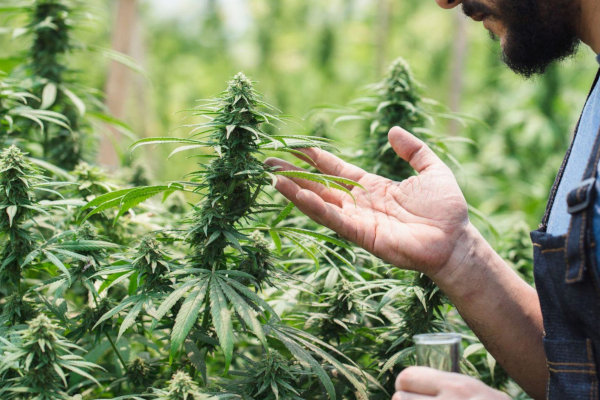
When growers hear about the environmental impact of cannabis, the first images that often come to mind are energy-hungry indoor facilities and headlines about environmental risks. It’s a valid concern from a cultivation standpoint, especially in a world already grappling with climate change.
But that’s not the whole picture. Beyond warehouse grows and high electricity bills lies another story, one rooted in soil, sunlight, and regenerative farming. Growing cannabis outdoors under the right conditions can support healthier ecosystems and more sustainable agriculture, especially for growers thinking about long-term environmental impact at scale.
The future of cannabis cultivation may not just reduce harm, it may help restore what’s been lost.
Agricultural Benefits: Why Cannabis Is a Regenerative Crop
As the cannabis industry continues its rapid growth, growers are increasingly thinking about how cultivation choices affect long-term environmental outcomes. While some forms of marijuana cultivation deserve scrutiny, the plant itself holds remarkable regenerative potential.
When cultivated responsibly, cannabis can work with natural systems rather than against them, offering practical advantages that can support more sustainable growing practices over time and more thoughtful cannabis production.
Naturally Resilient: Reduced Need for Pesticides
Unlike many other commonly cultivated crops, cannabis plants are naturally resilient and adaptable. Although often described as nutrient-intensive, they typically require far less pesticides than commodities like cotton, where heavy chemical applications are common.
Excessive pesticide use in other sectors has been linked to water pollution, broader pollution, and serious risks to pollinators and wildlife.
With careful management, cannabis can thrive with minimal chemical intervention, supporting healthier growing conditions and reducing pressure on surrounding ecosystems, which is why many growers prioritize low-input cultivation approaches in practice.
Lower Irrigation Needs Compared to Traditional Crops
Water scarcity is increasingly shaping how growers approach crop selection and irrigation planning, pushing cannabis cultivators to rethink water use and efficiency. Compared to crops like cotton, hemp varieties generally require fewer resources to reach maturity.
In cultivation settings, research and field observations suggest that outdoor-grown hemp uses significantly less irrigation than other fiber crops, reducing strain on local supplies and limiting runoff that contributes to water pollution.
In drier regions, some growers prefer autoflowering varieties and other low-maintenance strains that can complete their life cycle with less dependence on precise watering schedules. This efficiency positions cannabis as a potentially more climate-resilient alternative, especially for outdoor growers working with variable rainfall and limited irrigation infrastructure.
Deep Roots, Healthier Soil: Preventing Erosion and Enhancing Fertility
In farming, the health of the growing medium is everything. Cannabis develops deep, fibrous root systems that help stabilize soil, reducing erosion and improving structure, especially when paired with practices like crop rotation or even land terracing in vulnerable areas.
Organizations like The Nature Conservancy have long emphasized regenerative practices that protect ecosystems and public lands. When managed responsibly within a legal framework, cultivators can integrate cannabis into systems that naturally replenish nutrients and restore long-term fertility while protecting water quality.
Cleaning Contaminated Land: Cannabis and Phytoremediation
One of the most compelling environmental benefits of marijuana cultivation, including for recreational marijuana markets, is its ability to assist in phytoremediation, the process of using plants to absorb pollution from the terrain.
Cannabis has shown potential to draw out heavy metals and other toxic elements, helping rehabilitate damaged land. While energy-intensive indoor operations that rely on large HVAC systems raise separate concerns, outdoor cultivation, when responsibly managed, can help transform degraded landscapes into productive fields once again.
Beyond the Field: Industrial Uses That Reduce Environmental Impact
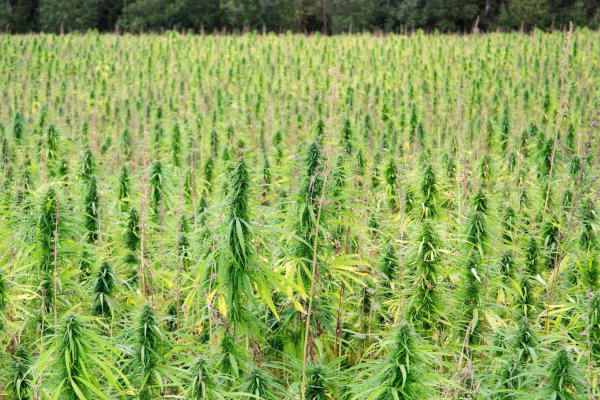
While much of the debate centers on recreational marijuana and evolving legalized markets, the marijuana flower’s potential reaches far beyond consumption.
Industrial hemp, cultivated by forward-thinking growers and cannabis cultivators, is increasingly viewed as a sustainable raw material capable of replacing high-impact products across construction, textiles, packaging, food, and beauty sectors, reducing strain on natural resources and the broader environment.
Hempcrete: A Carbon-Conscious Building Material
Hempcrete, produced from the hemp plant’s woody core and lime, offers a lower carbon footprint than traditional concrete. While cement manufacturing emits large amounts of carbon dioxide into the air, hempcrete can absorb and store carbon dioxide as it cures, helping offset industrial pollution.
This ability to sequester carbon makes it an appealing option for builders seeking climate-conscious materials that create more sustainable structures.
Hemp Fiber: A Greener Textile Alternative
Hemp fiber provides a durable alternative to cotton and synthetic fabrics, both linked to environmental damage. Cotton, often considered a nutrient-intensive crop, typically requires heavy irrigation and significant pesticide use, while polyester sheds microplastics that threaten wildlife and waterways.
Hemp grows quickly, requires fewer pesticides, and yields strong, biodegradable fibers suited for clothing and industrial use, with studies indicating meaningful reductions in pollutants compared to conventional textiles.
Hemp as an Alternative to Plastics
Petroleum-based plastics persist for centuries, posing significant risks to ecosystems and marine life. Hemp-derived bioplastics, made from cellulose, offer a biodegradable solution for packaging and consumer goods that can reduce long-term pollution.
As industries look to cut fossil fuel dependence, hemp presents a renewable and more circular alternative that supports lower-impact marijuana and hemp supply chains.
Food and Cosmetics: Sustainable Consumer Goods
Hemp seeds and oil are moving further into the global food chain as plant-based sources of protein and nutrients with a lower environmental footprint than many animal products, requiring fewer agricultural resources than traditional livestock production.
In cosmetics, hemp oil is valued for its natural properties and minimal reliance on synthetic additives. As demand grows for plant-derived options beyond recreational marijuana, hemp continues to gain ground as a versatile, lower-impact crop.
Global Leaders in Sustainable Cannabis Development
As more countries move toward legalized markets for recreational marijuana, sustainability is becoming a defining factor in how cannabis production evolves. While early expansion often relied heavily on enclosed growing systems, driving up power consumption and straining natural resources, some regions are now actively reshaping the model in response to climate change concerns.
Rather than treating environmental issues as secondary, regulators in different countries are integrating sustainability standards directly into licensing, setting clearer limits on water use, pesticide use, and emissions, and encouraging growers to adopt nature conservation practices.
- Canada has introduced federal reporting requirements for licensed cannabis cultivators, pushing greater transparency around energy use, water management, and waste reduction. Some provinces are also encouraging greenhouse and hybrid models to reduce reliance on fully indoor grows.
- California (U.S.) has implemented strict environmental compliance rules tied to water sourcing, land protection, and habitat conservation. Regulations are designed not only to manage legal cultivation but also to reduce environmental harm caused by illicit diversion and unregulated operations.
- Colorado (U.S.) has developed energy benchmarking tools and efficiency programs specifically for cannabis businesses, helping operators reduce electricity demand tied to lighting and climate control.
- The Netherlands is experimenting with regulated supply chains to minimize diversion and improve oversight of cultivation practices, including environmental performance standards.
These examples show that sustainable cannabis production is no longer theoretical. In regulated markets with strong oversight, governments are beginning to address the environmental risks associated with enclosed growing systems while steering the cannabis industry toward lower-impact models.
The Rise of Industrial Hemp in a Legalized Global Market
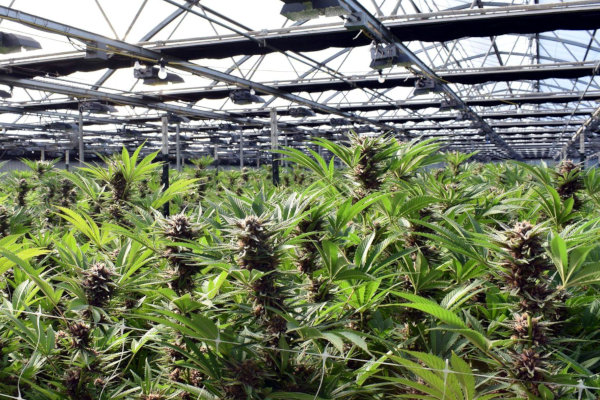
While much of the public conversation around legalized cannabis still centers on recreational products and retail expansion, industrial hemp has been quietly reshaping the future of cannabis production.
Unlike THC-focused operations that often depend on indoor grows and high power consumption, hemp is typically cultivated outdoors, under open skies, dramatically lowering its environmental footprint from the start.
Around the world, the hemp market is gaining serious momentum. Countries such as China, France, and Canada have built strong fiber and seed industries that supply raw materials for construction, textiles, biodegradable plastics, food products, and cosmetics.
What makes this expansion especially compelling is that hemp’s growth aligns naturally with sustainability goals. Several characteristics help explain why:
- Efficient cultivation: Hemp generally requires fewer chemical inputs than many conventional crops, reducing pressure on soil and waterways.
- Outdoor scalability: Because it thrives in open fields rather than enclosed growing systems, overall energy use remains comparatively low.
- High biomass output: Hemp grows quickly and produces large amounts of usable material per hectare.
- Carbon absorption: As a fast-growing crop, hemp captures carbon dioxide throughout its lifecycle, supporting climate mitigation efforts.
- Industrial versatility: From building materials to packaging, hemp can replace more carbon-intensive resources across multiple sectors.
Why Hemp’s Regulatory Simplicity Matters
Another advantage lies in policy design. Because industrial hemp contains minimal THC, it is less associated with diversion concerns than psychoactive cannabis. That distinction has allowed many countries to integrate hemp into mainstream agriculture more smoothly after marijuana cultivation was legalized in broader forms.
However, industrial hemp is not a silver bullet, since no agricultural system is impact-free. But as economies search for lower-carbon materials and climate-resilient crops, hemp is increasingly emerging as one of the more environmentally aligned pillars of modern cannabis production.
Challenges and the Path Forward
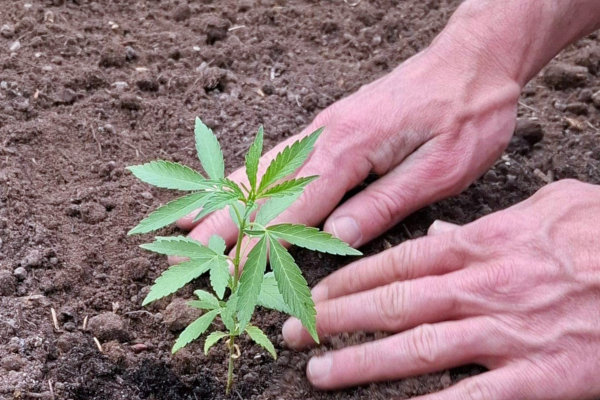
Cannabis cultivation is not impact-free, and pretending otherwise would weaken the conversation. In some regions, illegal cultivation still damages ecosystems through unregulated water diversion and chemical use. Without oversight, these operations can erode public trust and environmental progress.
Even in legal markets, cannabis grown in enclosed spaces can demand large amounts of electricity. High-intensity lighting, air conditioning, and climate control systems drive energy consumption and, in fossil-fuel-dependent grids, contribute to greenhouse gas emissions.
The solution isn’t retreat, it’s reform. Stronger enforcement against illegal cultivation, incentives for outdoor and greenhouse models, and investment in renewable energy can significantly reduce the sector’s footprint. With smarter design and accountability, the industry can move from high-impact beginnings toward a genuinely sustainable future.
Where the Cannabis Industry Goes From Here
The future of cannabis cultivation will depend on the choices growers and producers make at each stage of production. Poorly managed expansion has, in some regions, led to forest clearing, threats to endangered species, and declining water quality linked to unregulated activity.
Concerns have also been raised about wildlife disruption and emissions from indoor cannabis cultivation, including volatile organic compounds released during processing.
But those risks do not define the flower itself; they reflect how it is managed. With stronger standards and responsible production practices, including more efficient indoor cannabis cultivation where needed, the industry can significantly reduce its footprint.
For growers, cannabis cultivation is increasingly influenced by practical growing conditions and environmental constraints. Poorly managed cultivation can strain ecosystems. With better practices, it can support more sustainable agricultural systems and lower-impact production methods, thereby determining its long-term role in sustainable agriculture and production.