
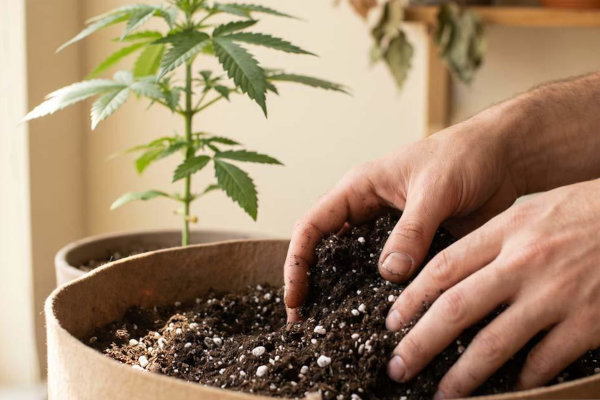
The best soil for autoflowers isn’t just any potting mix pulled off the shelf, and choosing wrong is one of the fastest ways to stall a grow before it starts. Autoflowering cannabis plants move from seed to harvest in roughly 8–10 weeks from seed. That leaves almost no room to recover from a soil that’s too dense, too hot, or poorly draining.
Unlike photoperiod strains, autoflowering cannabis seeds produce plants that can’t be kept in veg while they bounce back from stress. What goes in the pot at the start largely determines what comes out at harvest. This guide covers what to look for in a growing medium, which amendments make the biggest difference, and how to build a soil mix that gives autoflowering cannabis plants the conditions they need to thrive.
What Makes a Good Soil for Autoflowering Cannabis Plants

Autoflowering cannabis has different needs than photoperiod strains. The roots are typically finer, feeding demands are lighter, and the window for root development is short. A soil that works well for a long-running photoperiod grow can easily overwhelm an auto with excess nutrients or restrict root growth through poor aeration.
The key traits to prioritise when selecting and building soil to grow your own cannabis: aeration, drainage, moderate nutrient availability, and stable pH levels.
Aeration and Soil Structure
Compacted, heavy soil suffocates roots, restricts oxygen uptake, and slows metabolic function across the plant. A well-aerated growing medium allows roots to spread quickly and oxygen to reach the root zone, and both are critical during the short vegetative window autos get.
Light, loose soil also dries more evenly between waterings, which helps prevent the excess water buildup that leads to root issues. Perlite is the most common amendment used to improve soil structure, and most growers add it at roughly 20–30% by volume to any potting mix used for autos.
Drainage and Water Retention
Good drainage and appropriate water retention aren’t opposites and the best autoflowering soil manages both. Roots need moisture between waterings, but they also need the medium to dry down enough to allow oxygen back in. Soil that stays wet too long becomes anaerobic, and that’s where root health begins to decline.
Peat moss and coco coir both retain moisture without becoming waterlogged, as long as the mix includes enough drainage material. Worm castings contribute to water retention while also improving soil structure and microbial life.
Nutrient Levels and Soil Composition
Autos generally require fewer nutrients than photoperiod strains and are more prone to nutrient burn if the soil is overly rich at the seedling stage. A light starting mix that can support a seedling without overwhelming it is the safer approach, with organic nutrients added later as the plant matures.
Nitrogen drives early growth, while phosphorus takes over during flowering. Trace elements including calcium, magnesium, and sulfur fill in the gaps. Soil that clearly lists N-P-K values on the packaging—along with any microbial life or beneficial bacteria content—tends to be more predictable and easier to work with than unlabelled generic mixes.
Soil pH
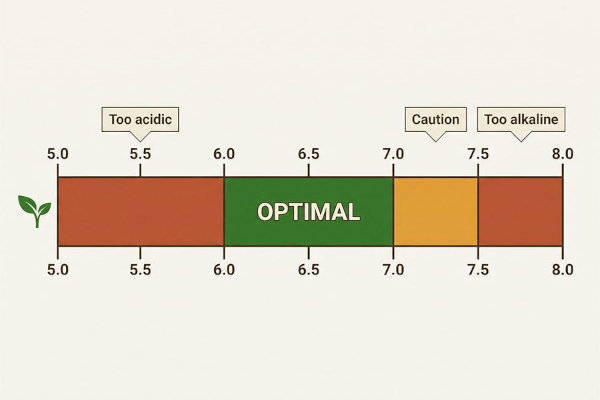
Nutrient availability in soil is largely governed by pH. The ideal soil pH for autoflowering cannabis plants sits between 6.0 and 7.0, with 6.2 to 6.8 considered optimal for most soil grows. Outside that range, certain nutrients lock out even when they’re present in the medium affecting your yields.
A pH meter is worth the investment. Watering with out-of-range water is one of the more common causes of nutrient deficiencies that growers misdiagnose as feeding problems.
Best Soil Options for Growing Autoflowers
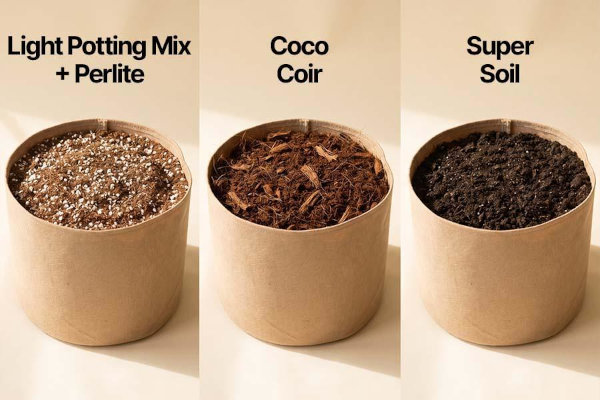
There’s no single best growing medium that works for every grower. The right choice depends on experience level, grow environment, and how hands-on you want to be with feeding.
Light Potting Soil with Perlite
A light, well-draining potting soil mixed with 20–30% perlite is the most forgiving starting point for growing autoflowers. It’s accessible, predictable, and works well from seedling through to harvest without requiring advanced knowledge of feeding schedules.
Avoid anything marketed as heavy or moisture-retaining. Brands like Fox Farm Ocean Forest are popular in the autoflowering community, though for seedlings, it’s common practice to cut Ocean Forest with a lighter mix or plain coco coir at roughly 50/50 to avoid nutrient burn in the first few weeks.
Coco Coir as a Growing Medium
Coco coir, derived from coconut husks, sits between traditional soil and hydroponics. It has excellent aeration, drains freely, and allows precise control over nutrient availability because it starts with essentially no nutrients of its own.
When using coco coir for autoflowering cannabis, organic nutrients need to be supplied with every watering from early in the grow. Mixing coco coir with around 30% perlite creates a growing medium with strong aeration and fast-draining properties that suit autos well, particularly in the hands of growers comfortable managing a feeding schedule.
ProMix HP
ProMix HP is a peat-based growing medium that functions similarly to coco coir. It provides good aeration, excellent drainage, and a near-neutral starting nutrient load, containing peat moss and perlite in a blend originally designed for commercial horticulture.
Like coco coir, ProMix HP requires consistent feeding since there’s very little inherent nutrient availability. It’s a solid option for growers who want a clean, controllable medium without fully committing to hydroponics. Other growing mediums may offer more buffering for beginners, but ProMix HP rewards tighter control.
Super Soil for Autoflowers
Super soil is a heavily amended organic mix designed to be fully self-sufficient, you just water with pH-corrected water and let the soil handle the feeding. For experienced growers, it can produce clean, consistent harvests from autoflowering cannabis plants without requiring liquid feeding throughout the cycle.
Building your own super soil typically involves a base potting mix combined with worm castings, compost, peat moss, bone meal, kelp meal, and various trace elements. The mix needs to cure for 30–60 days so that microbial life can break down the amendments into plant-available form.
Hot or unfinished super soil can burn seedlings badly, so it’s usually layered: plain soil in the upper third of the pot where roots first develop, with the super soil beneath where mature roots can reach it.
This isn’t a beginner approach, but done correctly it produces a nutrient-rich, biologically active growing medium that autoflowering plants can draw from throughout their cycle.
Key Soil Amendments for Growing Autoflowering Cannabis
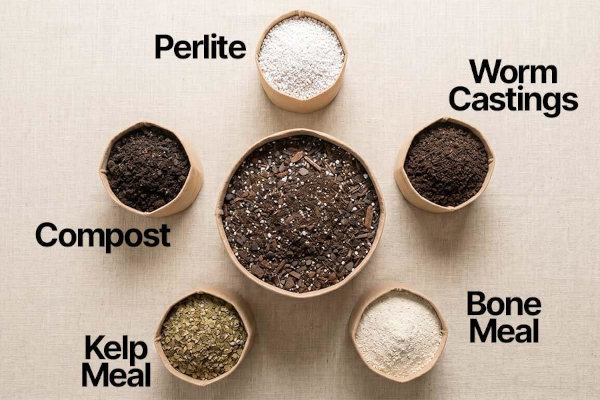
Even a decent base soil can be improved with the right additions.
Perlite
Perlite is a volcanic glass expanded through heat, it’s light, pH-neutral, and adds aeration and drainage to any mix without contributing to nutrient load. At 20–30% of the total volume, it reliably improves soil structure in most standard potting soils.
Worm Castings
Worm castings contribute nitrogen, phosphorus, and a broad range of trace elements in highly bioavailable form. They also introduce beneficial bacteria and microbial life that support root health over time. For autos, 10–15% of the total mix is a reasonable target, too high a concentration early on can increase nutrient burn risk in seedlings.
Bone Meal and Kelp Meal
Bone meal is a slow-release phosphorus source that supports root development and flowering. Kelp meal contributes trace elements and natural growth hormones that promote stronger root growth and vegetative development. Used together in a super soil or as a top dress mid-grow, they form a solid organic nutrient base that can carry autos through to harvest.
Compost
Well-finished compost adds organic matter, improves water retention, and contributes a diverse range of nutrients and microbial life. It’s a common component of super soil recipes and can also be used as a top dress to give a slow nutrient boost mid-grow. Hot or immature compost can burn roots, so look for fully composted products with a consistent texture and an earthy smell.
Soil and Growing Medium Comparison
| Soil / Amendment | Best For | Drainage | Nutrient Level | Difficulty | Notable Trait |
| Light potting soil + perlite | All autos, beginners | Excellent | Low–Medium | Beginner | Versatile, forgiving |
| Fox Farm Ocean Forest | Veg stage, organics | Good | Medium–High | Beginner–Intermediate | Dilute for seedlings |
| Coco coir + perlite | Control-focused growers | Excellent | None (feed required) | Intermediate | Max aeration, fast roots |
| Super soil (DIY) | Experienced growers | Good (if built right) | High (slow-release) | Advanced | Needs 30–60 day cure |
| ProMix HP | Bridging soil to hydro | Excellent | None (feed required) | Intermediate | Peat + perlite blend |
Common Soil Mistakes When Growing Autos
Using Soil That’s Too Hot
Hot soil—meaning a mix pre-loaded with high nutrient concentrations—is one of the most common causes of early stress in autoflowering plants. Seedlings are particularly vulnerable. Starting with a lighter mix and transitioning to richer soil as the plant matures avoids this entirely.
Skipping pH Checks
Growers who skip pH monitoring often end up chasing deficiencies that aren’t actually nutrient problems. If pH levels in the root zone drift outside 6.0–7.0, certain minerals become unavailable regardless of what’s in the soil. A pH meter and pH-adjusted water remove one of the most confusing variables from the growing process.
Overwatering
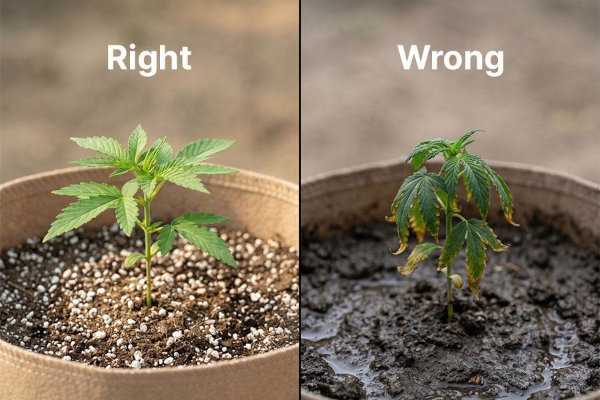
Dense soil that holds excess water is a problem, but overwatering in well-draining soil is just as damaging. Autoflowering plants have lighter water demands than photoperiod strains. A practical rule: water when the top inch of soil is dry and the pot feels noticeably lighter.
FAQs
What Is the Best Soil Mix for Autoflowering Cannabis Plants?
A light potting soil combined with 20–30% perlite is the most reliable starting point for most growers. It provides good drainage, adequate aeration, and a manageable nutrient level for seedlings. As plants mature, worm castings or a compost top dress can maintain organic nutrient availability through to harvest.
Can I Use the Same Soil for Autos and Photoperiod Strains?
You can, but it’s worth adjusting. Autoflowering cannabis is generally more sensitive to high nutrient concentrations early on. If using the same soil for both, cutting the mix with a lighter medium or plain coco coir for the seedling stage reduces the risk of nutrient burn.
What Should the Soil pH Be for Autoflowers?
The ideal range is 6.0 to 7.0, with most growers targeting 6.2 to 6.8. Maintaining a balanced pH throughout the grow matters more than hitting a precise figure. Drifting outside the range is one of the main causes of apparent deficiencies in autoflowering cannabis plants.
Do Autoflowers Need Added Nutrients if Using Super Soil?
Not typically, and that’s the appeal. A properly cured mix with sufficient worm castings, bone meal, kelp meal, and compost can carry autoflowering plants through the entire cycle with water only. Some growers still add a light top dress during flowering to maintain phosphorus levels in the final weeks.
Is Coco Coir Good for Growing Autoflowering Cannabis?
Coco coir is a strong option for autoflowering cannabis, particularly for growers comfortable with regular feeding. It offers strong aeration, fast drainage, and precise nutrient control. The trade-off: it requires consistent organic nutrient input from the start since it doesn’t buffer or slow-release anything on its own.
Conclusion
The best soil for autoflowers comes down to a few non-negotiables: light structure, good drainage, moderate nutrients at the seedling stage, and stable pH levels throughout the grow. Whether you build your own super soil, run a coco coir and perlite blend, or start with a quality store-bought mix, those underlying principles stay the same.
Autos don’t give you time to course-correct a bad substrate decision. Getting the growing medium right before the seeds go in is one of the highest-leverage choices in the entire grow, once the roots are settled, the rest tends to follow.